

When the world is wobbling, clarity matters
When the world is wobbling,
clarity matters
Who knows what is going on anymore?
The global order appears to be shifting by the hour. Rules once treated as fixed now look more like suggestions. Legal lines are blurred, strategic language is slippery, there are Australians connected to submarines, and as Insiders put it on Sunday morning, it has been “a week of war and shifting objectives”.
In that sort of environment, most other news starts to look like background noise.
And when events are this serious, nobody wants political pirouettes, evasive choreography or answers so agile they deserve a medal in floor gymnastics. We want something far less glamorous and far more useful: trustworthy, logical, clear communication. We want to know where we stand, what is happening, and what to make of it, even if the picture is uncomfortable.
This is not a political analysis. It is a communication analysis.
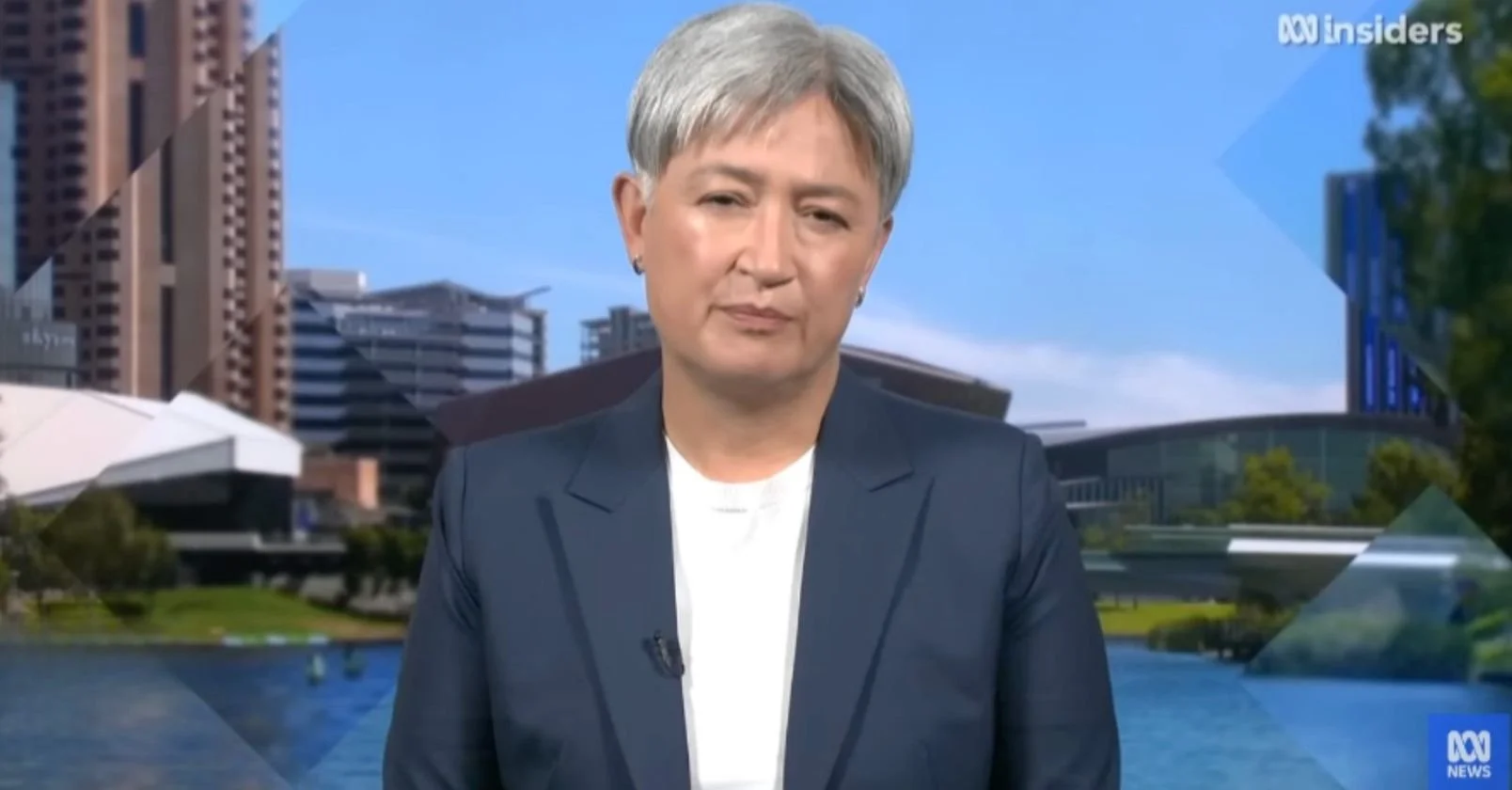
And on ABC’s Insiders on Sunday morning, Penny Wong offered a masterclass.
That matters for several reasons. Wong stands in public life carrying the kinds of identity markers that too often trigger bias in audiences: she is a woman, of Chinese-Malaysian heritage, and openly gay. For many public figures, those factors can unfairly colour perception before a word is even spoken.
Yet here, none of it diminished her authority. In fact, it disappeared behind the force of her capability.
She looked tired. Her eyes were heavy. Her skin was shiny. She looked, quite frankly, like someone carrying the weight of the world and not getting much sleep while doing it. But none of that reduced the impact of her communication. If anything, it reinforced it. This was not polished performance for its own sake. It was professional composure under pressure.
And that is where the lesson lies.
From a rhetorical perspective, Wong delivered across the classic five canons of rhetoric that underpin gravitas: invention, arrangement, style, memory and delivery.
First, her command of the material was unmistakable. She sounded fully across the detail, current in her knowledge, and precise in her framing. There were no gaps that made the viewer wonder whether she was scrambling. Quite the opposite. She conveyed the impression that she was deeply briefed and entirely in command.
Most importantly, she did not simply accept the first question and tumble into reaction. She took control early, setting the frame and defining Australia’s position at the outset. That allowed her to anchor the rest of the interview in a consistent logic rather than be pushed around by the pace of questioning. It was disciplined and smart.
Her answer structure was equally strong. Again and again, she followed the ancient and highly effective rule of three.
Asked what was being done to get Australians out, she began with a clear headline: this is a major consular issue. Then she supported it with three logical points: the scale of the numbers involved, the communication channels that had been opened, and the actions being taken on the ground through flights and buses.
That structure matters. It helps the listener stay with the message. It says: here is the situation, here is the process, and here is the action. No waffle. No fog. No detour into the scenic route of self-importance.
The same clarity appeared in her responses on Lebanon, military involvement and comparisons with Canada. Each answer began with a position, then moved through three supporting points with logic and restraint.
Only once did she brush close to politics, and even then she resisted the bait. Asked about Canada, she declined to speculate and returned instead to what Australians needed to know: the government’s focus is keeping people safe, this is not Iraq or Howard, and there are clear parameters guiding action.
Frankly, it was a relief.
Too often in public interviews we are offered diversion dressed up as messaging. We are sent down rabbit holes of blame, slogans and campaign reflexes that leave us none the wiser. Wong did the opposite. She stayed with the brief. She informed.
Her language helped. It was plain, direct and free of bureaucratic sludge. No legal padding. No grandstanding. No verbal peacocking. Just clarity.
And then there was the delivery, which is where trust is either built or broken.
Posturally, she sat upright and centred. She did not lunge at the camera, fold into herself, or perform urgency with unnecessary body tension. She looked grounded. Her breath appeared low and steady, which matters enormously in moments of public stress. Panic lives high in the chest. Authority does not.
Her voice sat comfortably in range, without audible throat tension or strain. That matters too. When the throat tightens, the listener often senses concealment or stress, even if they cannot explain why. Wong’s tone was open, even and unforced.
Her phrasing flowed. She did not chop sentences off at the knees. The mouth remained free, the jaw unjammed, and the sound carried smoothly through thought after thought. That continuity creates ease for the listener, and ease breeds trust.
Her eye contact was unwavering.
And yes, she gestured.
That long-lost art of modern communication, apparently abandoned by many in favour of frozen shoulders and invisible hands, was present and purposeful. Wong used gesture to place information in space, to distinguish ideas, to indicate sequence and contrast. She showed regime change with movement across the body. She listed points visibly. She used spatial logic to help the audience follow the argument.
Importantly, the gestures stayed within frame and below shoulder height, which matched the non-emotive, measured tone of her message. Nothing was theatrical. Everything was useful.
Under international pressure, with little sleep and no doubt significant internal strain, this was an impressive performance.
Australia is in a difficult position internationally. Penny Wong is operating in a deeply complex, no-win environment. Yet she communicated with discipline, clarity and calm.
There is a lesson in that for every leader.
When the stakes are high, people do not need more noise. They need steadiness. They need structure. They need language that illuminates rather than obscures.
And perhaps, in moments of pressure, a useful question is this:
What would Penny Wong do?
We might all communicate a little better if we asked it.
Love,
Dr Louise Mahler