

A Diplomat, an Empath and a Comedian
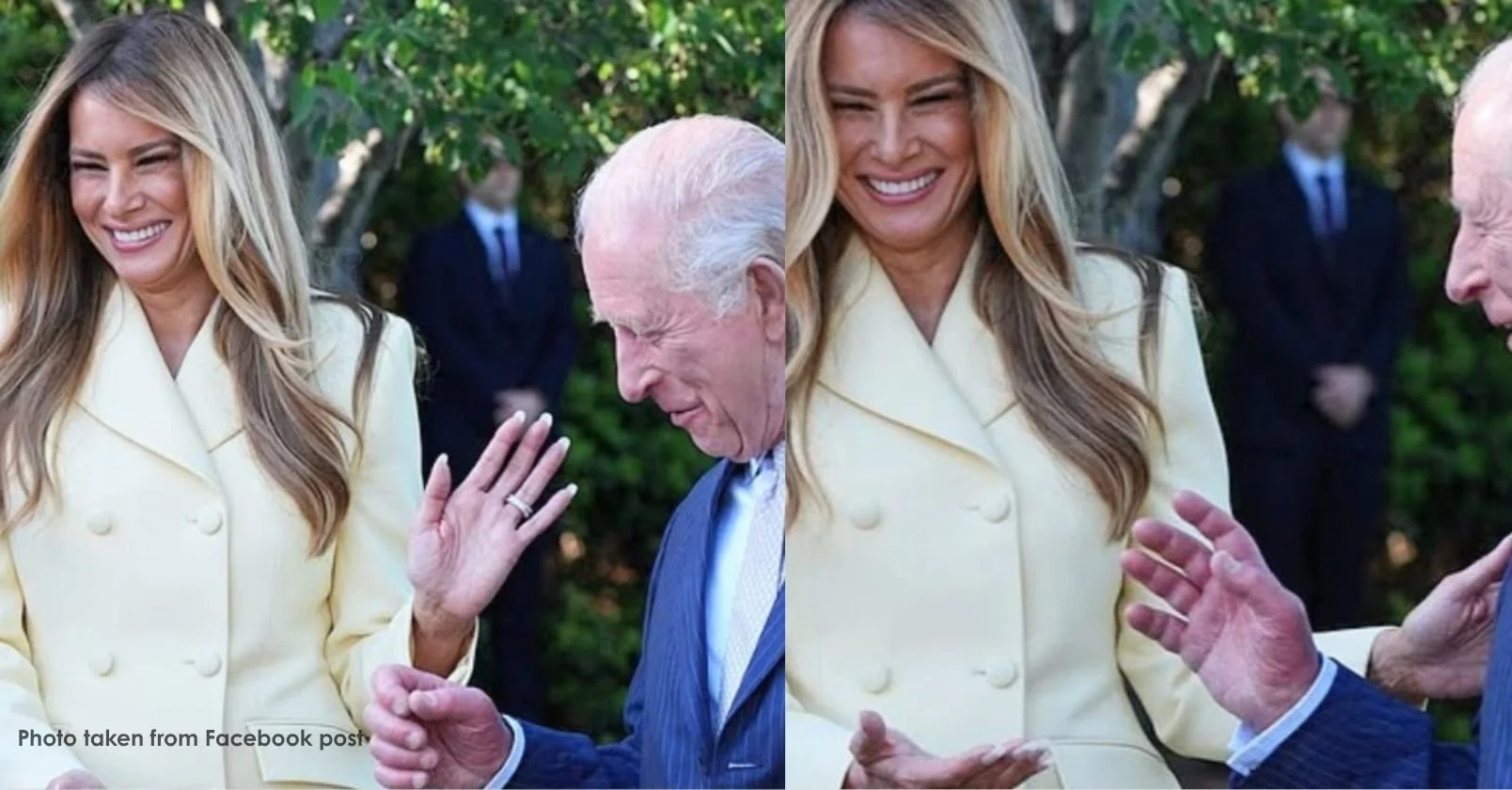
What King Charles's US visit reveals about the art of reading and performing for a room
Much of the Australian reaction to King Charles's recent US visit centred on his comment that he is proud to be King of Australia. But that is not my focus today. As a student of public performance, I want to examine how Charles used presence, timing and warmth and what it means for the rest of us.
For those who have not had time to follow the full visit and frankly, who has? The real lesson was not the headline. It was in the room.
From the outset, the tone was surprisingly warm, especially given recent tensions in the US–UK relationship. This did not happen by accident. It looked like a carefully planned effort to calm the diplomatic waters and it worked.
There were kisses for the women, handshakes for the men, and one particularly instructive moment when Charles met Trump's famous power handshake the tug, the pull, the attempt to dominate the space and held his own. No capitulation. No visible discomfort. Just steady ground.
He honoured the founding fathers. He drew on the "special relationship." He used the rule of three beautifully, short, memorable phrases that gave rhythm and authority to the message.
Charles used history, humour, faith, recent events and flattery with precision. But what struck me most was not the script. It was the audience.
The room makes the speaker
They buoyed him. They encouraged him. They gave him permission to perform at his best.
And we all need that.
Charles responded visibly. He smiled, softened, shifted more casually, timed his humour well, and allowed more warmth into the room. You could watch confidence grow in real time. That is not weakness, it is responsiveness. And responsiveness is a skill.
Diplomat
Steady in tension. Held his ground without hostility.
Empath
Read the room and adjusted in real time.
Comedian
Timed humour to earn trust, not laughs.
The lesson for leaders
You can do all the work in devising your piece, but communication is never just about the person speaking. It is also about the room they are speaking into.
A hostile room can shrink you. A generous room can lift you. A responsive room can draw out your best. In this performance, King Charles was not merely ceremonial. He was, unexpectedly, all three things at once. And in leadership communication, that is quite a useful trinity.
Some takeaways.
The rule of three gives rhythm and memorability to any message.
A generous audience draws out your best — work it!
Communication is co-created. The room is never just a backdrop; it is a participant.
Let me hear your thoughts.
Love,
Dr Louise Mahler